Search
(10/05/26) BATON ROUGE, La. —With a new year approaching, the LSU AgCenter is releasing its 2027 Get It Growing Calendar. The calendar provides Louisiana plant lovers and gardeners with a year of amazing photography and valuable gardening knowledge.
The AgCenter has published the annual calendar since 2005, featuring photographs of flowers, trees and other plants from across Louisiana.
“The LSU AgCenter Get It Growing Calendar has become a tradition and a trusted resource for Louisiana gardeners and garden lovers,” said Elma Sue McCallum, of LSU AgCenter Communications, who coordinates the calendar. “The calendar is filled with helpful gardening tips, beautiful plant and garden photos and must-have information to inspire your best garden. It's also arriving just in time for early holiday shopping.”
The monthly gardening tips, provided by AgCenter horticulturist Jason Stagg, can help both new and experienced gardeners learn about and take care of their plants.
Each calendar contains a list of Louisiana Super Plants, an AgCenter designation given to attractive, resilient plants that perform well in Louisiana's climate. It also provides timely reminders for gardening projects, including when to fertilize Louisiana irises, calla lilies and spider lilies.
The 2027 edition also features a special section, “Mirlitons: A Cherished Staple of Louisiana Gardens.”
The full-color, 32-page, 9-by-12-inch calendar includes a guide to AgCenter lawn and garden publications, gardening terms and definitions and information about the Louisiana Master Gardener Program, Soil Testing and Plant Analysis Laboratory and Plant Diagnostic Center.
Photographs featured in the calendar are selected each year through a public call for entries. The photographers whose images appear in the 2027 calendar are Ann Anderson, of New Orleans; Abbie Bourgeois, of Schriever; Marilyn Brunt, of Lafayette; Esther Fleming, of Baton Rouge; Lawrence Harrison, of Shreveport; Claudia Husseneder, of St. Gabriel; Igor Kamalov, of Baton Rouge; David M. Kors, of Baton Rouge; Randy LaBauve, of Baton Rouge; Rebecca Parker, of St. Francisville; Sara Kate Putnam, of Monroe; Renee Roberts, of Hammond; Vivian Shoultz, of Mandeville; Rhoda Stevenson, of Campti; Lisa Tortorich, of River Ridge; and Malorey Uzee, of Baton Rouge.
The Get It Growing Calendar sells for $13.95 and is available at garden centers and online at www.LSUAgCenter.com/OnlineStore. Sample photos and additional information are available on the website.
The calendar is produced as part of the AgCenter's Get It Growing educational campaign, which provides research-based information and resources for home lawns and gardens throughout Louisiana.

Tiny clusters of white flowers adorn the branches of the parsley hawthorn tree (Crataegus marshallii), one of the most beautiful and underutilized native ornamental understory trees. Sporting an airy form, the small leaves truly resemble parsley. In the fall, bright red fruit will appear from the flowers, offering a tempting treat for birds and other wildlife. Photo by Vivian Shoultz
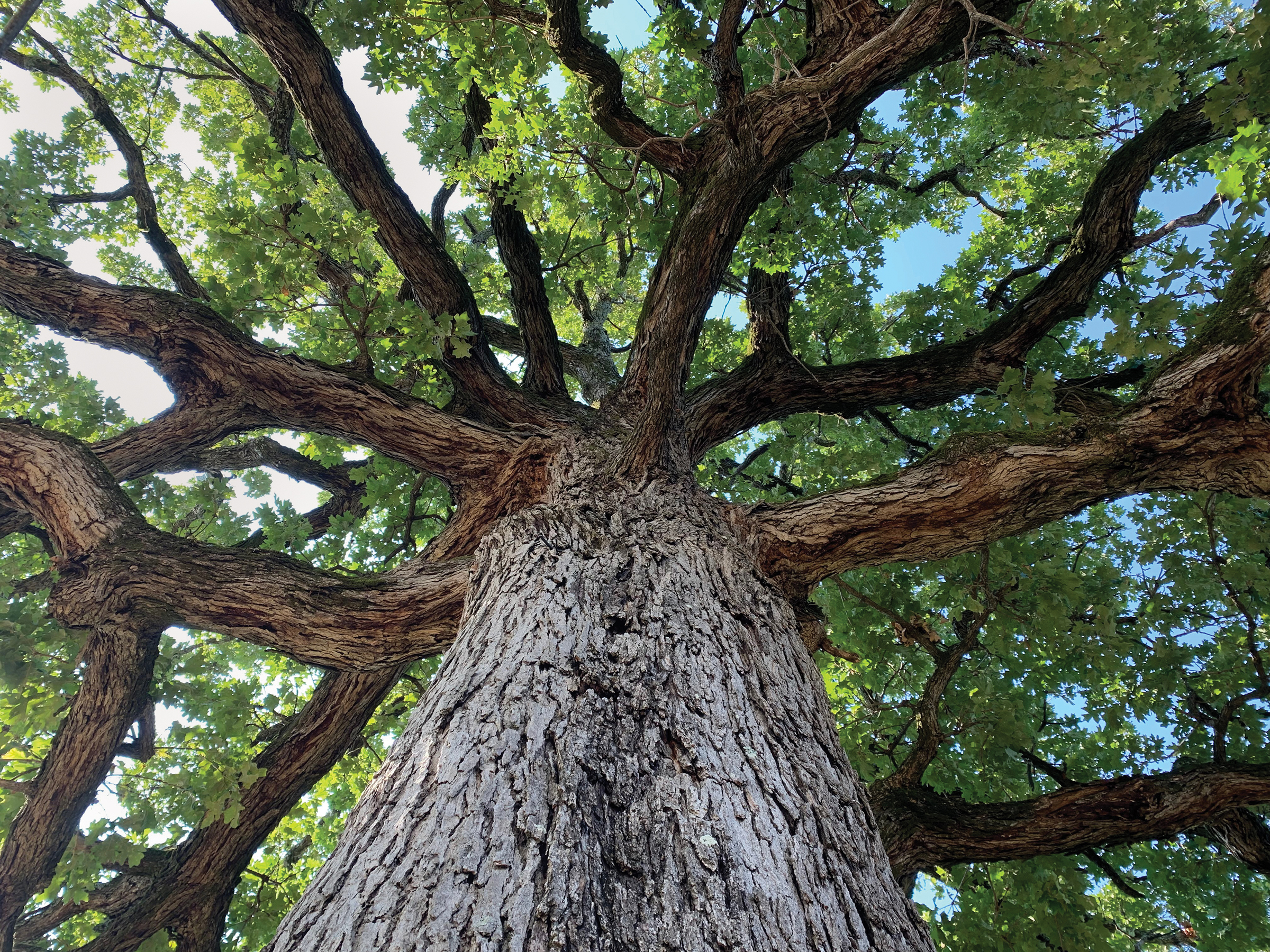
The rough-to-shaggy gray bark helps identify this massive tree as belonging to the white oak group. Long prized for their excellent quality wood, white oaks are important to the structure of Louisiana forests. The acorns provide critical food sources for wildlife, while the tree itself supports insect species, including many caterpillar stages of moths and butterflies. Photo by Lawrence Harrison

These petals belong to a flowering maple, or abutilon. Although the leaves resemble those of a maple tree, they are not related. These plants are more closely related to hibiscus, and for many species or varieties, their bell-shaped flowers never fully open. That doesn’t mean pollinators — including hummingbirds — don’t love them. Photo by Claudia Husseneder

The hibiscus variety Luna Pink Swirl continues to be an outstanding garden performer years after it was first named a Louisiana Super Plant selection. Thriving in the Louisiana heat and humidity, these full-sun plants can even handle summer rainfall deluges because they are cultivated from our native Hibiscus moscheutos. Large flowers, measuring 6 to 8 inches, appear on bushy, sturdy plants. Photo by Rhoda Stevenson