Search

Did you know that more than 60% of today’s rice crops planted by Louisiana farmers were developed by the LSU AgCenter H. Rouse Caffey Rice Research Station? The station covers about 1,000 acres near Crowley, Louisiana. Some rice varieties are developed for crawfish forage for those farmers who double-crop.
The Rice Research Station was established on April 1, 1909, with a mission to:
Rice arrived in Louisiana in 1718, brought by French explorers who established settlements along the Mississippi River. Rice is one of the world’s most important cereal crops. Cereal crops are members of the grass family (Gramineae or Poaceae) grown for their edible starchy seeds.

The first commercially available varieties were released from the station in the early 2000s.
Today, PVL03, developed by the AgCenter, is Louisiana's most widely grown rice variety, covering over 31% of the state's acreage.
In 2021, the AgCenter developed a low-glycemic rice variety marketed under the name Parish Rice. The non-GMO rice is better for those individuals who monitor their blood sugar and has 5 grams of protein, more than the 1 or 2 of other rice varieties.
For more information about rice varieties, check out the Rice Varieties & Management Tips Handbook.
 total acres and Jeff Davis having 82,664 in 2025.
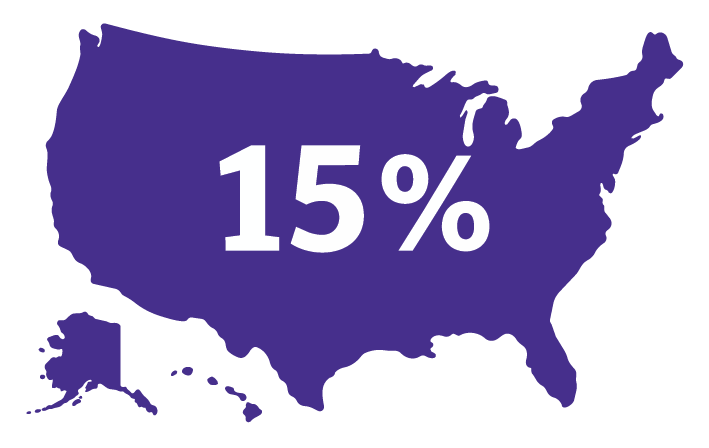 from Louisiana
Rice is a staple of both Cajun and Creole cooking. The following rice dishes are some of the most traditional in the Bayou State.
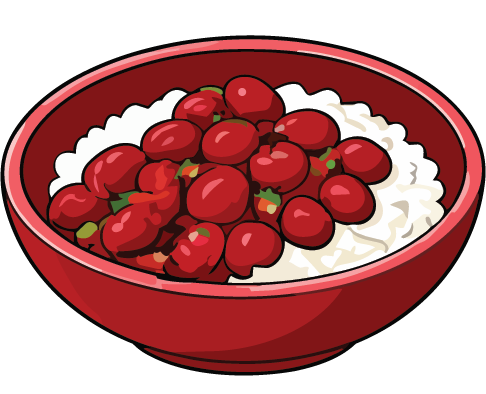
Red Beans and Rice
Historically prepared on Mondays to use leftover pork from Sunday.
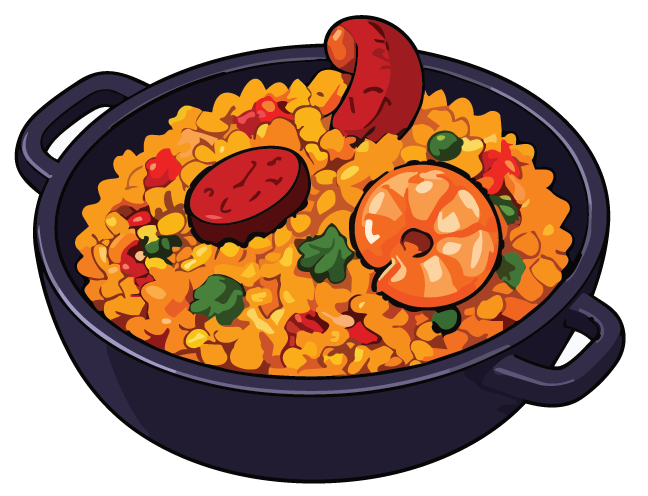
Jambalaya
A one-pot dish that often uses chicken, andouille sausage and Gulf shrimp. The creole variety includes tomatoes, while the Cajun variety does not.
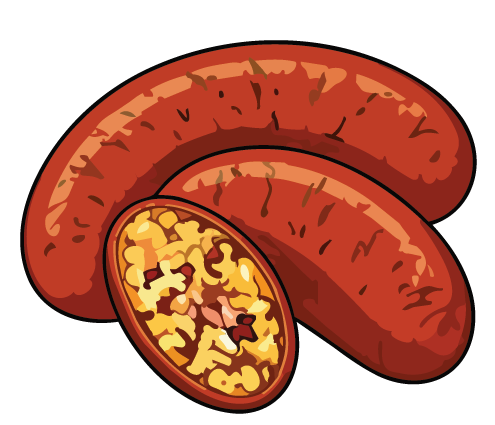
Boudin
A spicy, rice-stuffed sausage that has multiple recipes, but typically includes pork shoulder and liver. It’s eaten for breakfast by many in the Acadiana region.
Gumbo, Étouffée, Shrimp Creole
While not mandatory in the recipes, rice is usually served as a bed or on the side of these classic dishes.
 Rice can be part of a balanced diet; 1 cup provides 200 calories.

10 Servings
Time: 30 Minutes
Ingredients
4 mirlitons – scalded, peeled and cubed
1 onion, chopped
1 green bell pepper, chopped
1/4 cup of celery, chopped
1 1/2 cups cooked brown rice
2 tsp Worcestershire sauce
2 tbsp olive oil
1/4 lb ground beef
1/4 lb ground turkey
Cajun seasoning to taste
Instructions