Search
Jose Pereira Neto, Pitman, William D.


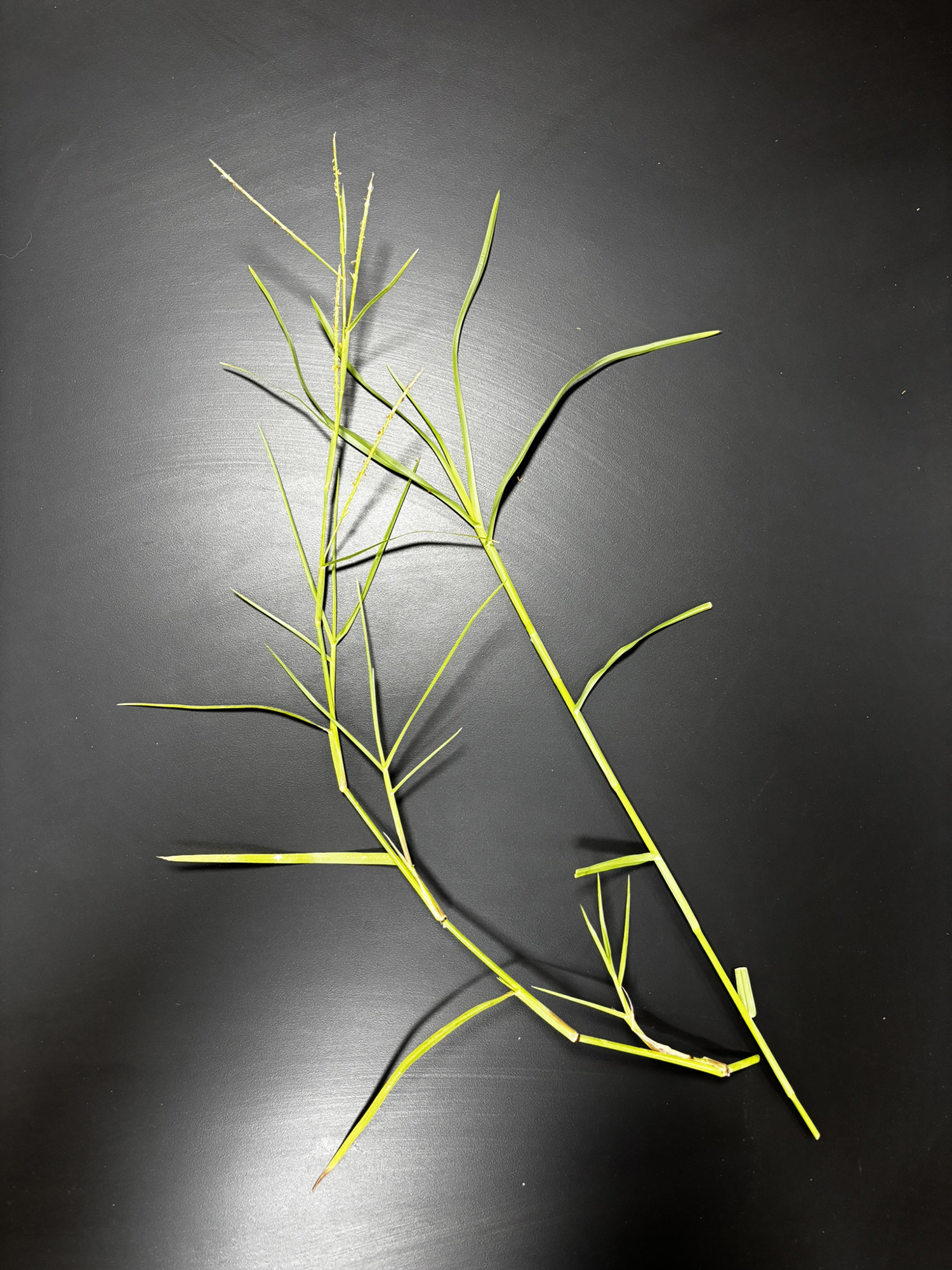
The first question to ask is what is limpograss? Limpograss (Hemarthria altissima) is a warm‑season perennial C4 grass native to southern Africa that is well adapted to tropical and subtropical regions (Figure 1). It was introduced into Florida in 1964 with early evaluations revealing a range in variability among limpograss plants from different collection sites. Following the evaluation of several accessions for use in livestock forage systems, some varieties are now recognized for persistence and adaptability, particularly on poorly drained soils. The species is characterized by narrow leaves and a stoloniferous growth habit that produces erect stems capable of reaching heights of up to five feet.
Figure 1. Limpograss (Hemarthria altissima) cultivar Gibtuck. Photos by Jose Pereira Neto


Figure 2. Limpograss planting at the Iberia Research Station, Louisiana, in July 2026. Photos by Jose Pereira Neto
Seed production is extremely limited; therefore, limpograss is established vegetatively using mature stems. Planting methods are similar to those used for hybrid bermudagrass cuttings and involve spreading harvested stem material and then disking the planting material into the top 2-3 inches of soil. Establishing limpograss generally requires between 1,000 and 2,000 pounds of planting material per acre. In humid subtropical regions, establishment (Figure 2) is most successful when planting occurs during rainy periods, which typically occurs from June through August in Florida where success with limpograss planting has occurred for decades.
Recently developed limpograss cultivars exhibit excellent persistence under grazing and provide superior cool‑season growth compared with most other warm-season grasses. This late-season growth provides extended forage availability into the fall and early winter. Leaves may develop a reddish or purple coloration as the plant matures or in response to cool temperatures (Figure 3). Limpograss tolerates light frosts and can survive short‑term exposure to temperatures near 14 F, though prolonged exposure below approximately 9 F may cause severe injury. Half an acre of limpograss was planted at the Macon Ridge Research Station in August 2025 and successfully regrew in spring 2026, demonstrating potential for establishment and persistence in northeastern Louisiana.

Figure 3. Purple coloration of limpograss leaves at the Macon Ridge Research Station in December 2025. Photo by Jose Pereira Neto
In livestock production systems, limpograss is used primarily for grazing and is especially valued as stockpiled forage for fall and winter use (Figure 4). Its thick stems limit suitability for hay production; however, limpograss has been successfully conserved as silage, and some producers report good fermentation and storage characteristics with a distinctive sweet aroma. From a nutritional perspective, limpograss typically contains low crude protein concentrations, and protein supplementation is usually required. At short regrowth intervals, crude protein concentrations average nearly 10% of dry matter, declining during the summer to levels below 7% of dry matter. Reported crude protein values range widely, from approximately 3.5% in mature forage to more than 12% of dry matter under favorable growth conditions.

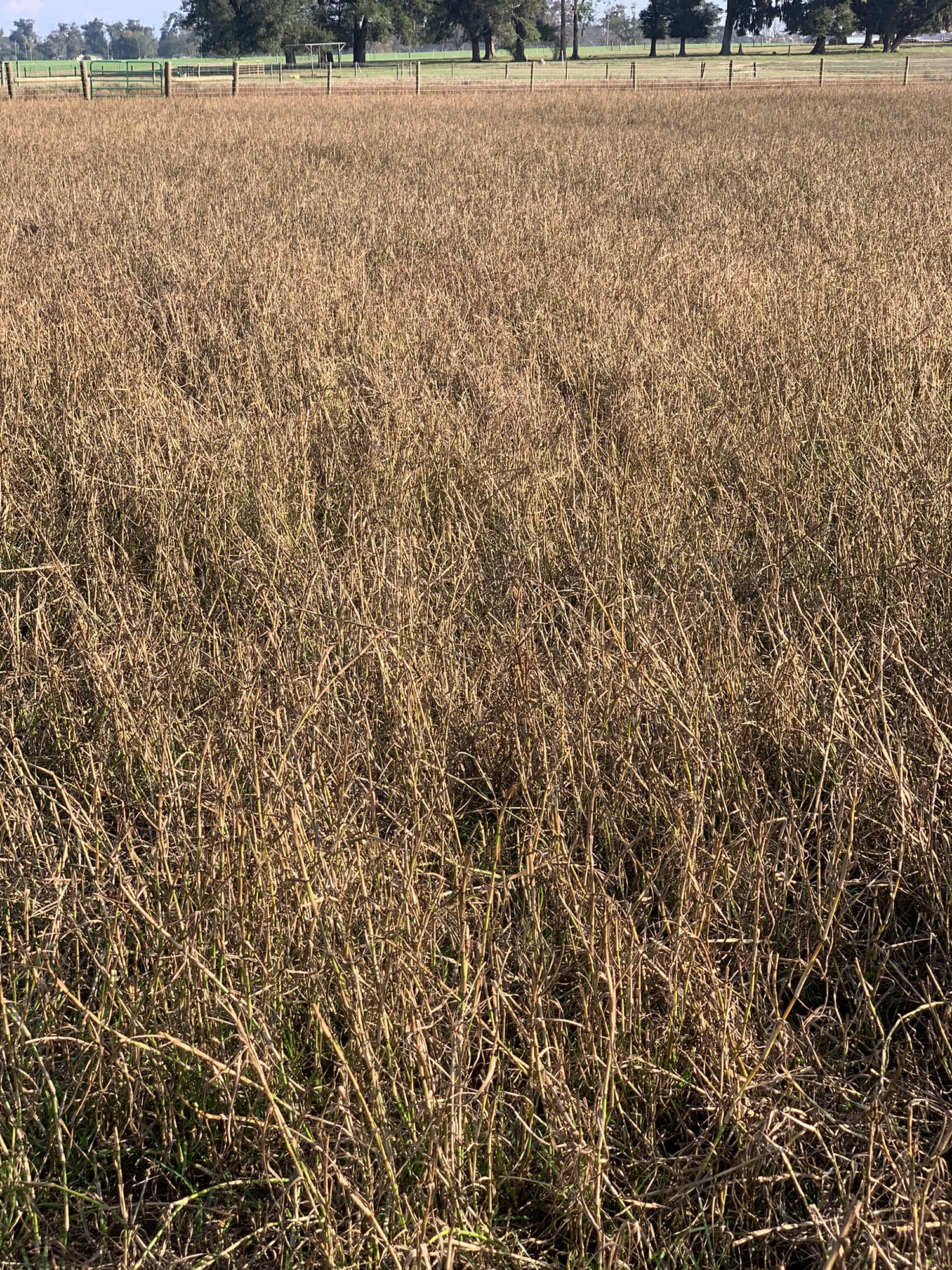
Figure 4. Grazed pasture of limpograss (left) and limpograss stockpiling (right). Photos by Jose Pereira Neto.
A major strength of limpograss is its relatively high digestibility and slow decline in digestibility with advancing maturity, making it well suited for stockpiling. In vitro digestibility values generally range from about 52% to 60% of dry matter, depending on cultivar, plant maturity and management. Cultivars such as Kenhy, Gibtuck and Floralta have demonstrated good digestibility under both grazing and stockpiling conditions. Acceptability of mature limpograss forage to grazing livestock, especially with adequate protein supplementation, allows effective grazing of forage produced from spring and early summer with stocking deferred until late summer when limited rainfall can restrict pasture growth. Similarly, when growing conditions allow, late summer and fall growth can be effectively deferred until early winter for grazing as stockpiled forage.


Overall, limpograss can be a persistent, adaptable forage species that fits well into grazing‑based systems, particularly where moisture conditions and extended forage availability are limiting factors. While protein concentration is often insufficient to meet animal requirements without supplementation, stability in digestibility and stockpiling potential provide a niche for limpograss in pasture systems. In Florida, limpograss pastures have provided low-cost maintenance of mature cows with appropriate protein supplementation following fall weaning of calves and after the active growing season of other warm-season pasture grasses.
Figure 5. Limpograss plants growing in a greenhouse at the Macon Ridge Research Station, Louisiana. Photos by Jose Pereira Neto.
The recent winter survival of a Gibtuck limpograss planting at the Macon Ridge Research Station indicates sufficient cold tolerance to justify continuing evaluation of this grass for use in Louisiana pastures. To be recommended for use in Louisiana pasture systems, however, field evaluations are needed to confirm adaptation range and management requirements of limpograss cultivars across Louisiana. Trial plantings by Louisiana producers will be important steps in continued evaluation of limpograss for pastures across the state. Because limpograss is not currently produced commercially in Louisiana, planting material may need to be obtained from producers in other states or through contacts at the University of Florida, which has been working with limpograss for decades.
References
Quesenberry, K.H., Sollenberger, L.E., and Newman, Y.C. (2004). Limpograss. In L.E. Moser, B.L. Burson, and L.E. Sollenberger (Eds.), Warm-season (C4) grasses (pp. 809-832). ASA, CSSA, and SSSA.
Quesenberry, K.H., Sollenberger, L.E., Vendramini, J.M.B., Wallau, M.O., Blount, A. R., and Acuña, C.A. (2018). Registration of Kenhy and Gibtuck limpograss hybrids. Journal of Plant Registrations, 12(1), 19-24.
Vendramini, J.M.B., Sollenberger, L.E., de Oliveira, F.C.L., Herling, V.R., Gomes, V.C., Sanchez, J.M.D., and Yarborough, J.K. (2019). Herbage characteristics of continuously stocked limpograss cultivars under stockpiling management. Crop Science, 59(6), 2886-2892.
Wallau, M.O., Sollenberger, L.E., Vendramini, J.M.B., Mullenix, M.K., Quesenberry, K.H., Gomide, C.A.M., Costa e Silva, V., and DiLorenzo, N. (2015). Herbage accumulation and nutritive value of limpograss breeding lines under stockpiling management. Crop Science, 55(5), 2377-2383.
P4075
9/21/26
The LSU AgCenter and LSU provide equal opportunities in programs and employment.