Search
Schyler Thibodeaux, Kerns, Dawson, Villegas, James M.

Pasture mealybug (PMB) was first detected in Louisiana sugarcane during late summer 2025. Since then, infestations have been reported on several agricultural crops and grass species throughout southern Louisiana. Both pasture grasses and turfgrasses have been affected and many Louisiana grasses are considered suitable hosts for this insect.
Pasture mealybugs can spread in several ways, including on people, equipment, animals, moving water and wind. Although PMB is now widespread across much of southern Louisiana, ongoing detection and management remain important for slowing its spread and reducing damage.
By learning to recognize symptoms and report suspected infestations, homeowners, landowners and lawn-care professionals can play an important role in monitoring this emerging pest.
PMB injury can resemble drought stress or nutrient deficiencies. Symptoms typically begin with discoloration of leaf blades that intensify as the infestation persists. Affected leaves may turn yellow to red to purple and then brown with plant death (Figure 1).

Figure 1. Leaf coloration progression with pasture mealybug infestation. Photo by BioRender

Figure 2. Reddening field from pasture mealybug feeding. Photo by Jimmy Meaux

Figure 3. Pasture mealybug under purpling dallisgrass leaf blade. Photo by Schyler Thibodeaux

Figure 4. Yellowing, reddening and purpling johnsongrass. Photo by Schyler Thibodeaux
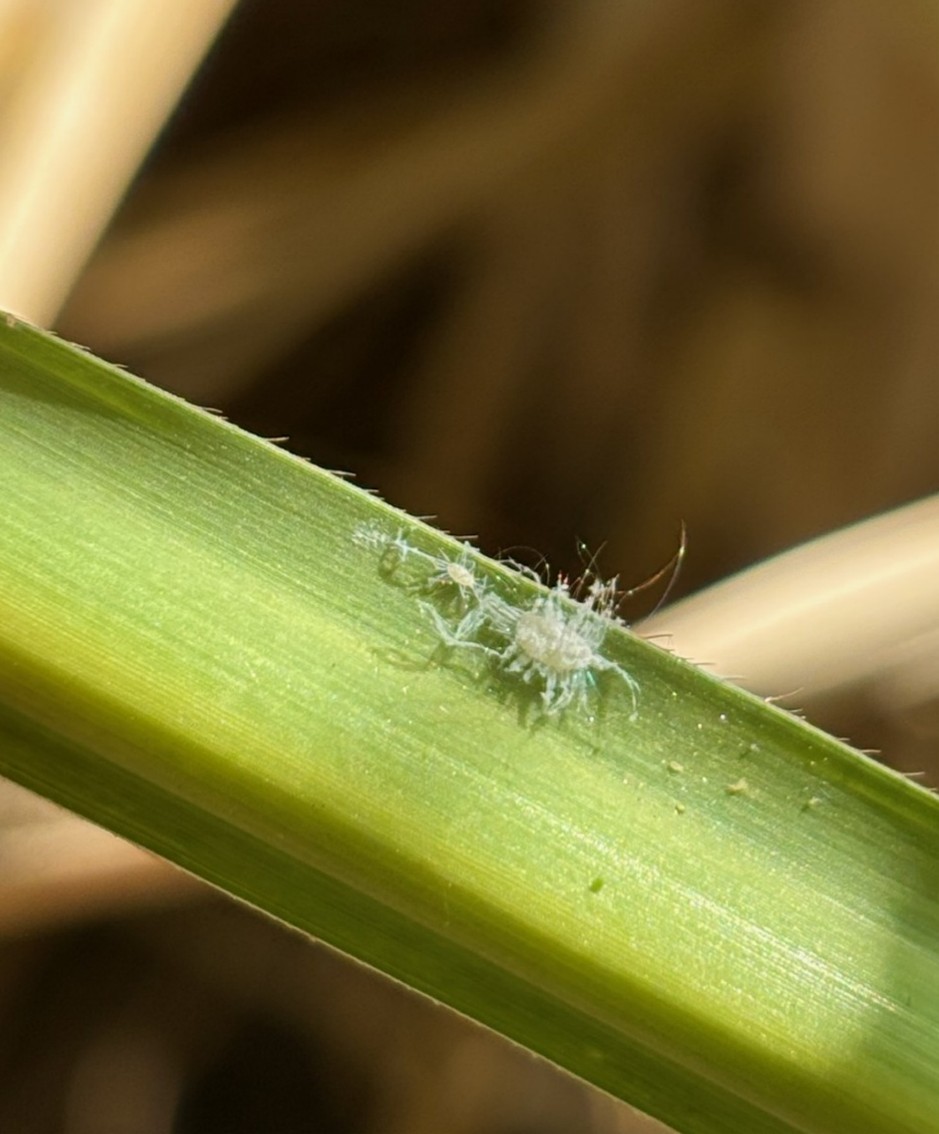
Figure 5. Reddening and purpling barnyardgrass. Photo by Schyler Thibodeaux
PMB are small, soft-bodied insects that are often hidden deep within the grass canopy. The insects can range in size from less than 1 mm to approximately 5 mm in length, making them difficult to see in many cases. The immatures and adults have a white and fuzzy appearance, while mated females may appear pink. To find mealybugs, get low to the ground and pull back the canopy to see the bases of plants and the thatch. Inspect plants and the ground carefully, especially in and around areas showing symptoms (Figures 6 and 7).
Look for PMB:
Figure 6. Pasture mealybug adult and nymphs under leaf blade. Photo by Schyler Thibodeaux

Figure 7. Pasture mealybug adult female on underside of leaf. Photo by Jimmy Meaux
Clean Equipment
To help prevent movement of the insect from infested fields:
Limit Movement of Plant Material
PMB may remain on dead plant material. Avoid moving potentially infested materials from affected areas to locations where the insect has not been detected, including:
Reduce Excess Growth and Thatch
PMB thrives in dense grass canopies where they are protected from environmental conditions and pesticide applications. Regular mowing and proper thatch management can help reduce favorable habitat and suppress PMB populations. Remove as much dry grass as possible to eliminate shelter for mealybugs.
Maintain Healthy Turf
To help grass tolerate pest injury and recover more quickly from damage:
Environmental Conditions Matter
During extended dry conditions, pasture mealybugs may move deeper into the thatch or soil and become less active, where they are more difficult to detect and reach with insecticide applications. Control may therefore be less consistent under these conditions.
Chemical Control
Research evaluating insecticide options for pasture mealybug is ongoing. Follow all label directions and consult with your local LSU AgCenter Extension office for current management recommendations.
Researchers, Extension agents and regulatory officials are working together to better understand the distribution of pasture mealybug in Louisiana. Reports from homeowners, landowners, lawn-care professionals, golf course managers and other turf professionals provide valuable information for early detection efforts.
If you believe pasture mealybug is present, contact your local LSU AgCenter Extension office or the Louisiana Department of Agriculture and Forestry. Early reports help improve statewide monitoring and support the development of future management recommendations.
Timely reporting can help protect grass health and improve understanding of PMB distribution in Louisiana. This guide is intended to help residents and turf professionals recognize possible infestations and report suspected detections for confirmation.